
Places to Avoid In Paris & Places to Stay
You're planning a trip to Paris and choose the safe area to stay. To avoid accidentally booking accommodations in less-recommended areas, it's essential to be aware of the districts in central Paris that may be riskier and the outer areas.

By Eglė
Published: October 26, 2023 • 7 min read
Updated: July 17, 2026
In This Article
- Is Paris safe?
- Places to avoid in Paris
- Areas to be cautious in
- Which areas of Paris are safest to stay in?
- Paris safety tips
Paris, often called the City of Love, is a fusion of history, art, and gastronomy. Whether it's the majestic Eiffel Tower, the enchanting alleys of the Latin Quarter, the bustling vibes near Gare du Nord, or the tranquil Seine riverbanks, Paris offers a unique experience at every turn.
While the city's allure lies in its elegant cafés and legendary sites, visitors, particularly those new to Paris, should remain vigilant and be informed about certain neighborhoods where extra care might be beneficial.
Finding the perfect flight deal just got easier with our Flights Subscription Newsletter. We deliver top-notch flight offers straight to your inbox every day, tailored to your travel preferences. Whether you're planning a quick getaway or a long vacation, our newsletter ensures you get the best prices without the fuss. Join us and make your travel dreams come true!

Is Paris safe?
Turn on the evening news or glance at a newspaper, and one might believe that France is plagued with daily violence, so you assume that Paris may not be the safest city. Despite assurances from some politicians that safety concerns in Paris are diminishing, the sentiment among many locals, especially Parisians, suggests otherwise, and the rising sense of insecurity has been slowly increasing over recent years. However, isn't this unease somewhat prevalent in most major capitals and their outskirts?
Here is what actually matters for a visitor:
- Pickpocketing is the main risk. In the picturesque central districts and major tourist spots, visitors are generally safe. The key is to be vigilant against theft, especially of bags, phones, or wallets. Organized pickpocketing groups especially target tourists.
- Violent crime rarely involves tourists. Most violent crimes are usually related to disputes among local gangs or drug-related incidents, and such violence is limited to specific suburbs and certain high-risk areas.
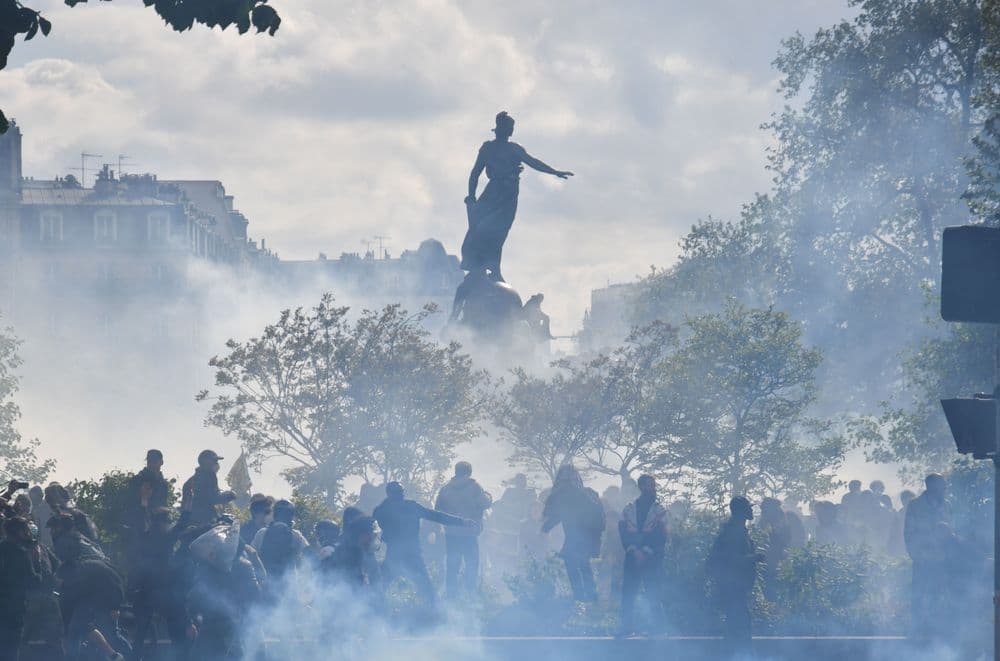
- Strikes are frequent. It's essential to stay updated with local news to avoid being caught off-guard in the midst of a strike.
- The reputation is overblown. Paris's reputation as unsafe for tourists is somewhat exaggerated. It is still beneficial to be aware of the less-recommended neighborhoods when planning a visit.
Places to Avoid in Paris
Three districts come up again and again when Parisians talk about where visitors should take extra care:
- 10th arrondissement
- 18th arrondissement
- 19th arrondissement

10th arrondissement
The 10th district in Paris has two big train stations, Gare de l’Est and Gare du Nord. A lot of train routes begin or end here, so many travelers pass through.
- During the day: generally okay.
- At night: the area can bring out some disruptive behavior, with people who may be intoxicated or involved in drugs.
- The bottom line: it's not necessarily dangerous, but it might not feel very welcoming or pleasant. Even if you only need to change trains, it is not comfortable to walk around.

18th arrondissement
The 18th district of Paris is home to the famous Montmartre, a beloved spot for both tourists and locals, and historically a haven for artists. However, it's also an area with a slightly higher crime rate.
- Pigalle. Below Montmartre lies a known red light district with erotic stores and adult entertainment. It has evolved over the years and now hosts family-friendly spots and bike lanes, but visitors should still be cautious, and there are tales of tourists facing hefty bills in some establishments. The district also houses popular spots like the Moulin Rouge and Bouillon Pigalle, a restaurant offering quality meals at affordable prices.
- The northern edge. The northern part of the 18th can be less safe, especially near the perimeter. It's wise to be cautious, particularly for women traveling alone at night. This region also sees the establishment of migrant camps that often get removed only to resurface soon after.
- Barbès-Rochechouart and Goutte d’Or. Both have reputations for illegal activities, including drug dealing.
- Puces de Saint-Ouen. A world-renowned flea market and a genuine highlight. It's open during the day, which is fortunate, as wandering here at night is not advised.
Subway stations best avoided after dark:
- Marx Dormoy
- Porte de Clignancourt
- Porte de la Chapelle
Always stay alert and informed when exploring this vibrant yet complex part of Paris.

19th arrondissement
The 19th district, adjacent to the 18th, is a diverse area with a distinct international ambiance during the daytime. Its population is made up of people from various parts of the world, making it rich in culture and heritage.
Worth seeing during the day:
- Buttes-Chaumont – one of the most popular parks in the city.
- Mouzaia – known for its quaint, village-like atmosphere and cobbled streets.
- The Grand Mosque of Paris – a must-visit site.
- Rotonde de La Villette – a masterpiece by neoclassical architect Claude Ledoux and an architectural gem that stands out in the area.
Where to be careful:
- Safety concerns have increased in the vicinity, so it's advisable to be alert even during the daytime.
- It's best to avoid the area entirely after dark.
- The parts around Stalingrad and Jean-Jaurès are notorious for higher crime rates, including robberies and drug-related activities.

Be Cautious in These Areas Too
1st arrondissement
Located at the heart of Paris's tourism, the 1st arrondissement is predominantly safe and home to the iconic Louvre Museum and the Tuileries. The area bustles with visitors, but the main challenge is evading pickpockets.
- During the day, the vicinity around the Centre Pompidou and Les Halles, the renowned indoor mall, is safe, boasting numerous eateries and attracting crowds.
- Saturday nights see Les Halles becoming less visitor-friendly.
- The vast Chatelêt-Les Halles metro station, possibly the world's largest, is a place to be cautious, especially post-sunset.
20th arrondissement
The district is a blend of quaint locales interspersed with social housing and diverse populations.
- Notable attractions include the Père Lachaise Cemetery and vibrant street art in Belleville.
- Some label it as a riskier district, but Belleville by day is bustling with unique eateries and attractions.
- Caution is advised during the night, especially in isolated areas.
Parks and remote areas
- The Bois de Boulogne in the upscale 16th and the Bois de Vincennes in the 12th are delightful during the day.
- As the sun sets, these woods become frequented by sex workers, and the ambiance turns rather intense.
- It's best to avoid these areas at night and stick to populated zones during the day.
The subway system
The metro, like in many major cities, should be used with caution during nighttime. Certain stations are advisable to avoid:
- Château-Rouge
- Gare du Nord
- Strasbourg St-Denis
- Réaumur Sébastopol
- Montparnasse Bienvenüe
Generally, it's a good rule of thumb to steer clear of any station prefixed with "Porte" if you are alone at night.
I hope you got some value from this guide to some of the less safe Paris neighborhoods. That being said, I hope that doesn’t discourage you from visiting them!

Which Areas of Paris Are Safest to Stay In?
Certain neighborhoods stand out as the safest ones.
Central and consistently safe:
- The Latin Quarter
- Champs Élysées
- Le Marais
- St Germain
- Châtelet
Quieter residential options:
- 13th arrondissement
- 14th arrondissement
- 15th arrondissement
These residential districts provide a tranquil atmosphere and are notably secure. Always remember, no matter the area, it's essential to stay aware of your surroundings and practice general safety precautions.
Paris Safety Tips
While Paris is generally safe, visitors should be cautious of specific safety concerns. Petty theft, particularly pickpocketing in crowded spots and public transit, is prevalent, and some con artists run scams near tourist attractions. Certain neighborhoods might experience sporadic violent incidents, and though terrorism events are infrequent, they've occurred. It's also wise to be cautious around the Pigalle area, known for its red-light district activities, and to follow news about strikes, potential risk and other threats related to safety.
Before you go:
- Research your accommodation's safety at night through reviews.
- Always read the news in order to avoid potential strike or demonstration places.
Getting around:
- Opt for taxis or Ubers over public transport late in the evening, especially when solo.
- Avoid using cellphones near metro doors to prevent snatching.
Out and about:
- Stay vigilant and watch your belongings. Avoid showcasing valuable items.
- Politely decline strangers approaching you, especially those with clipboards.
- Ensure your credit cards and purse are secure while shopping.
Keep reading:
Published: October 26, 2023
Updated: July 17, 2026