Famous Attractions and Best Beaches in Gao
Goa stands as India's premier beachside holiday spot. Though it's the country's tiniest state in terms of land area, it's nestled on the southwestern coast and boasts picturesque landscapes, stunning beaches, captivating natural formations, and a plethora of sought-after tourist sites, among other charms.

By Eglė
Published: October 25, 2023 • 10 min read
Updated: September 14, 2026
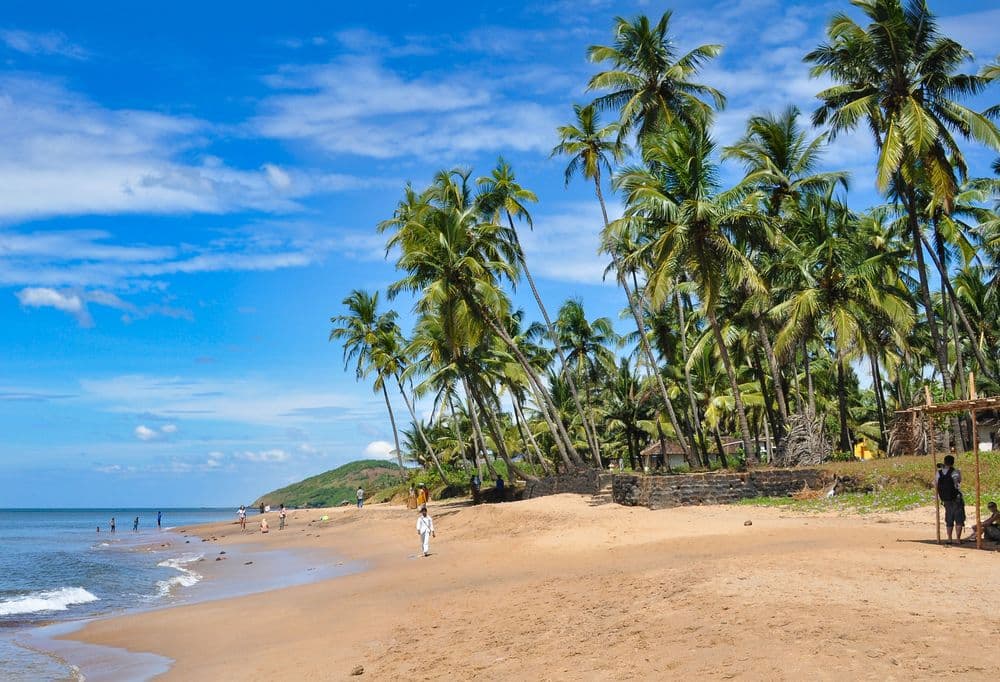
Goa is India’s smallest state, and almost all of it sits within an hour of the sea. Portugal ruled it for 450 years, which is why this stretch of the Indian coast is full of baroque churches and seafront forts, sitting a few miles inland from the beaches. Further inland again, in the hills, are Goa’s waterfalls. The best known of them, Dudhsagar, is among the tallest in India.
The month you come decides how much of it works. The season runs from October to May. Between June and September the beach shacks are taken down, red flags go up at every beach, water sports stop, and the road to Dudhsagar Falls closes.
Let’s look at what each place offers and when it’s open, so you can plan around the season.
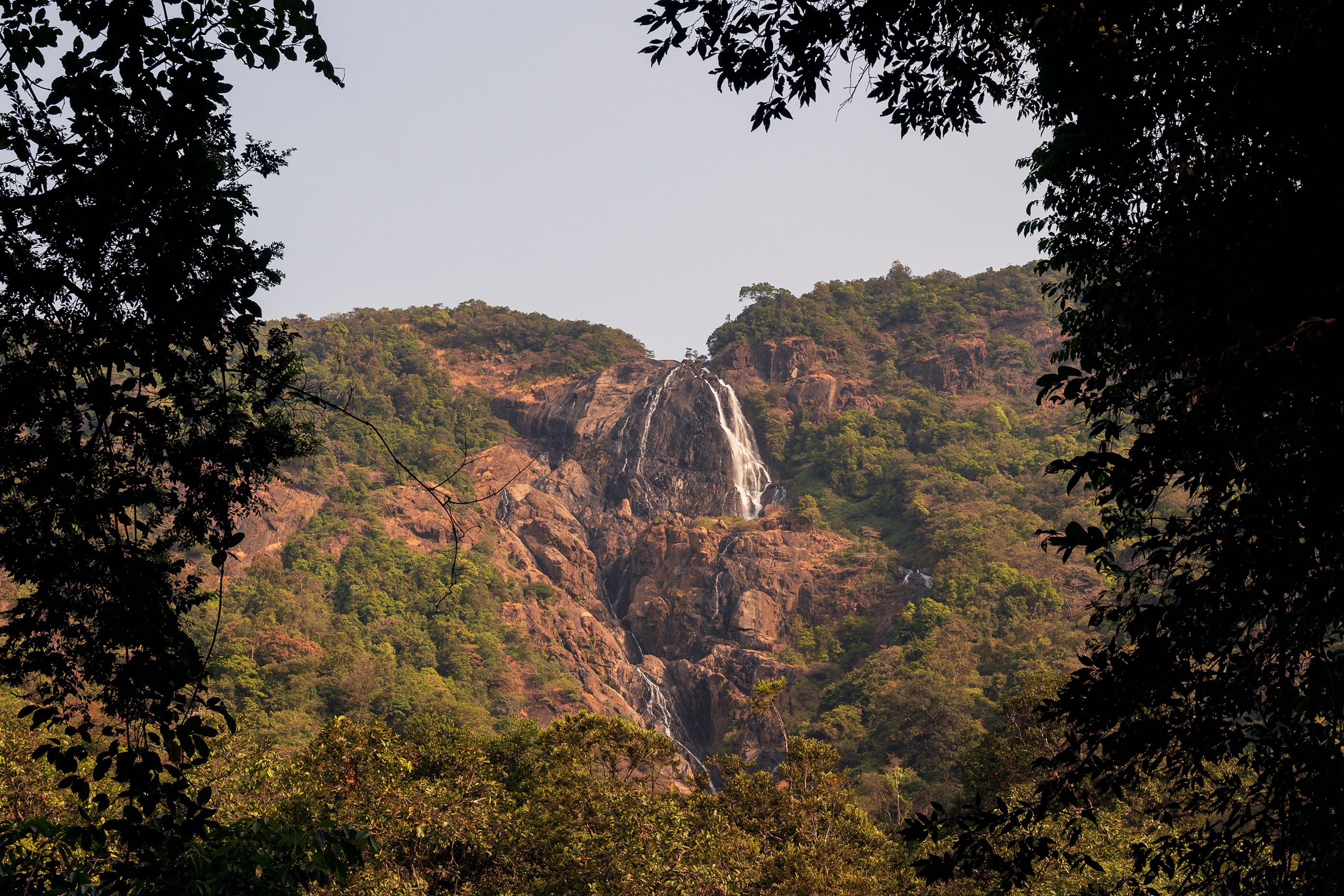
1. Dudhsagar Falls
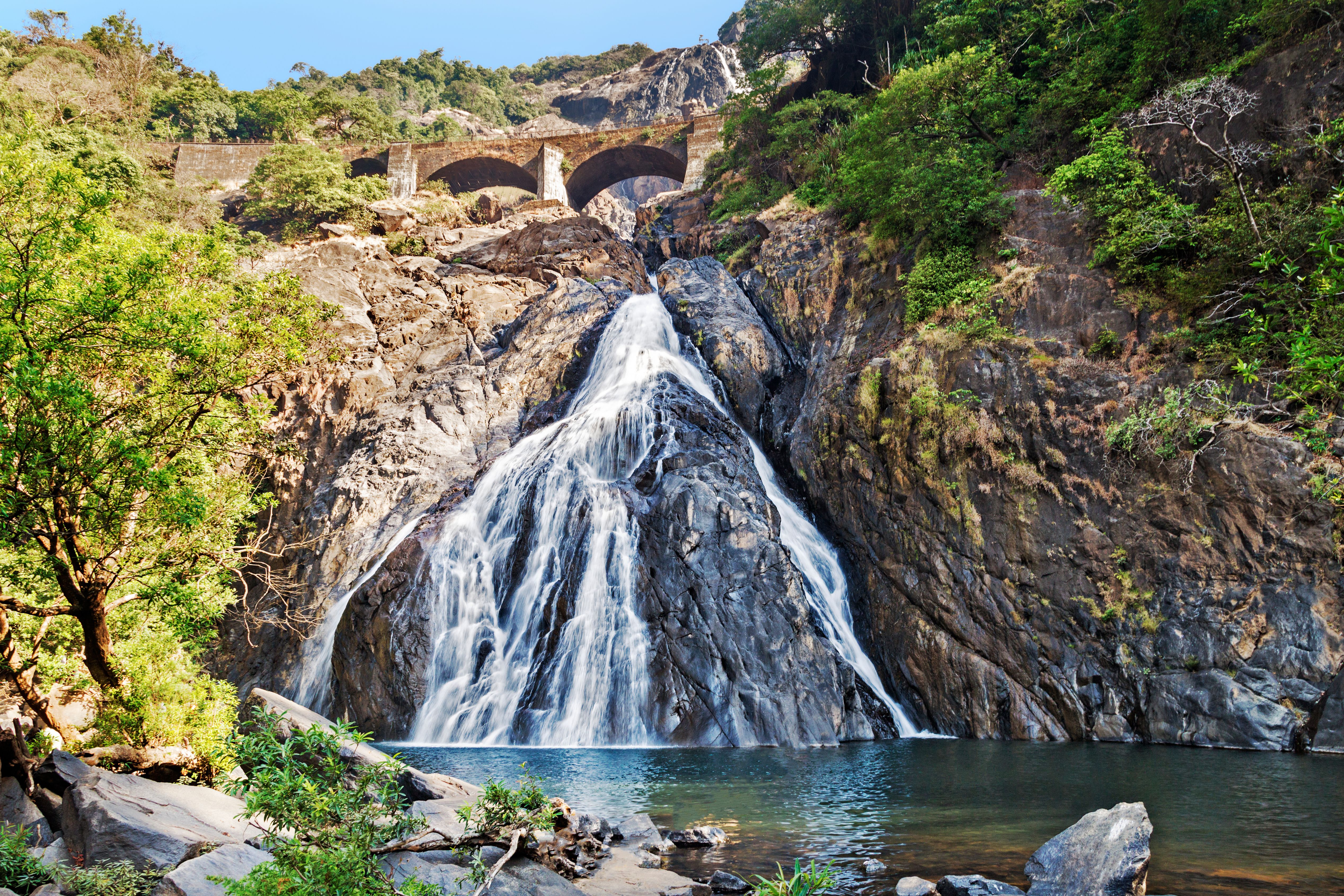
A waterfall that drops about 300 meters in tiers, deep in Goa’s largest forest reserve. The name means sea of milk in Konkani, the local language, after the white foam at the base.
- Open - October to about mid-June, because the Forest Department shuts the whole area for the monsoon and the wildlife breeding season, which is also when the falls are at their fullest.
- Getting in - you can’t drive yourself, so cars and motorbikes stop at Collem, the village at the edge of the reserve, and the rest is a permitted jeep or a guided walk, both booked through the official site.
- Don’t walk in along the tracks - a rail line passes the falls and people use it as a shortcut, but it is illegal, and 32 were fined for it in July 2026.
2. Aguada Fort
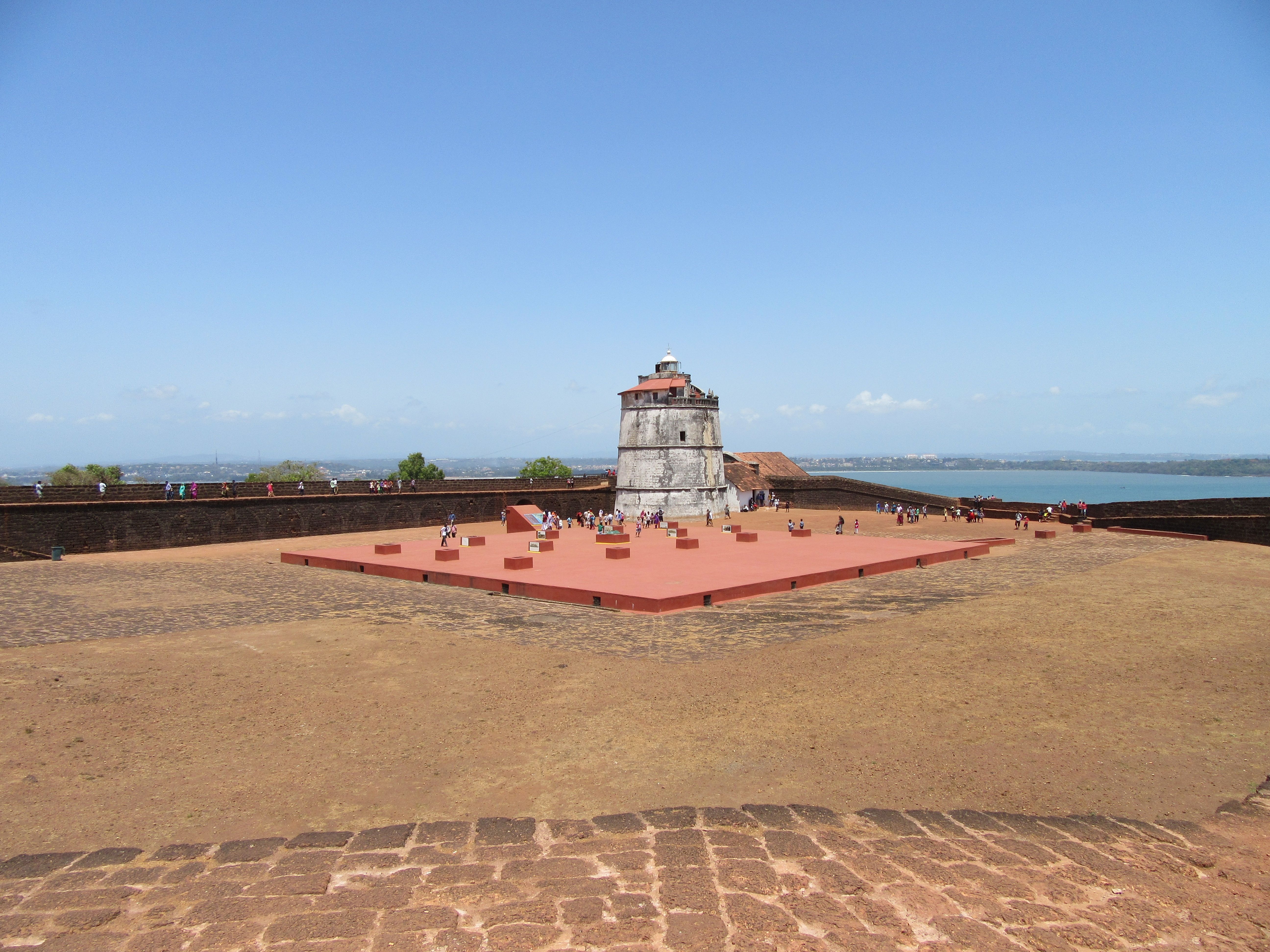
A Portuguese fort on the headland above Sinquerim beach, built in the early 1600s after Dutch ships attacked the coast twice. It is named for the freshwater spring inside, which resupplied passing ships.
- Hours - free, and it closes at 6pm, which in winter is about twenty minutes before sunset, so go earlier in the afternoon.
- The lighthouse - the 1864 tower can’t be climbed, but the working one beside it opens in the afternoon.
- The jail below - Goa’s main prison until 2015, and now a museum with its own ticket.
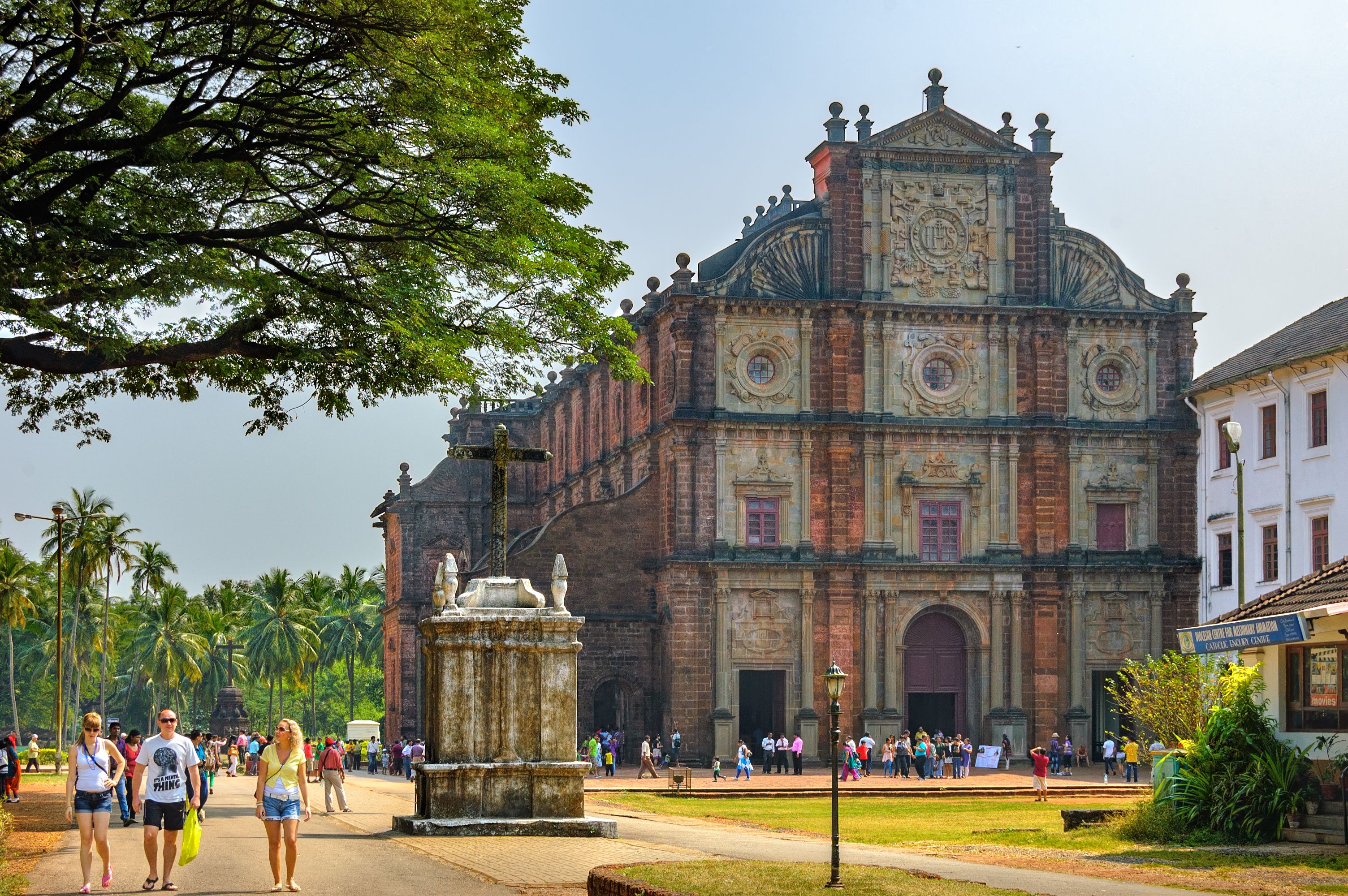
3. Basilica of Bom Jesus
The church that holds the body of St Francis Xavier, the Jesuit missionary who carried Catholicism across Portuguese Asia and died in 1552. It stands in Old Goa, the colonial capital until repeated epidemics emptied it and the capital moved to Panaji. Seven of its churches are inscribed together by UNESCO as the Churches and Convents of Goa, and this is one of them.
- The body is not on show - it comes out about once a decade, and the last time, from November 2024 to January 2025, it went to the Se Cathedral rather than staying here.
- The bare red walls - not a design choice, but the result of the lime plaster being stripped in the 1950s to make the building look older, and never put back.
- Dress code - shoulders and knees covered.
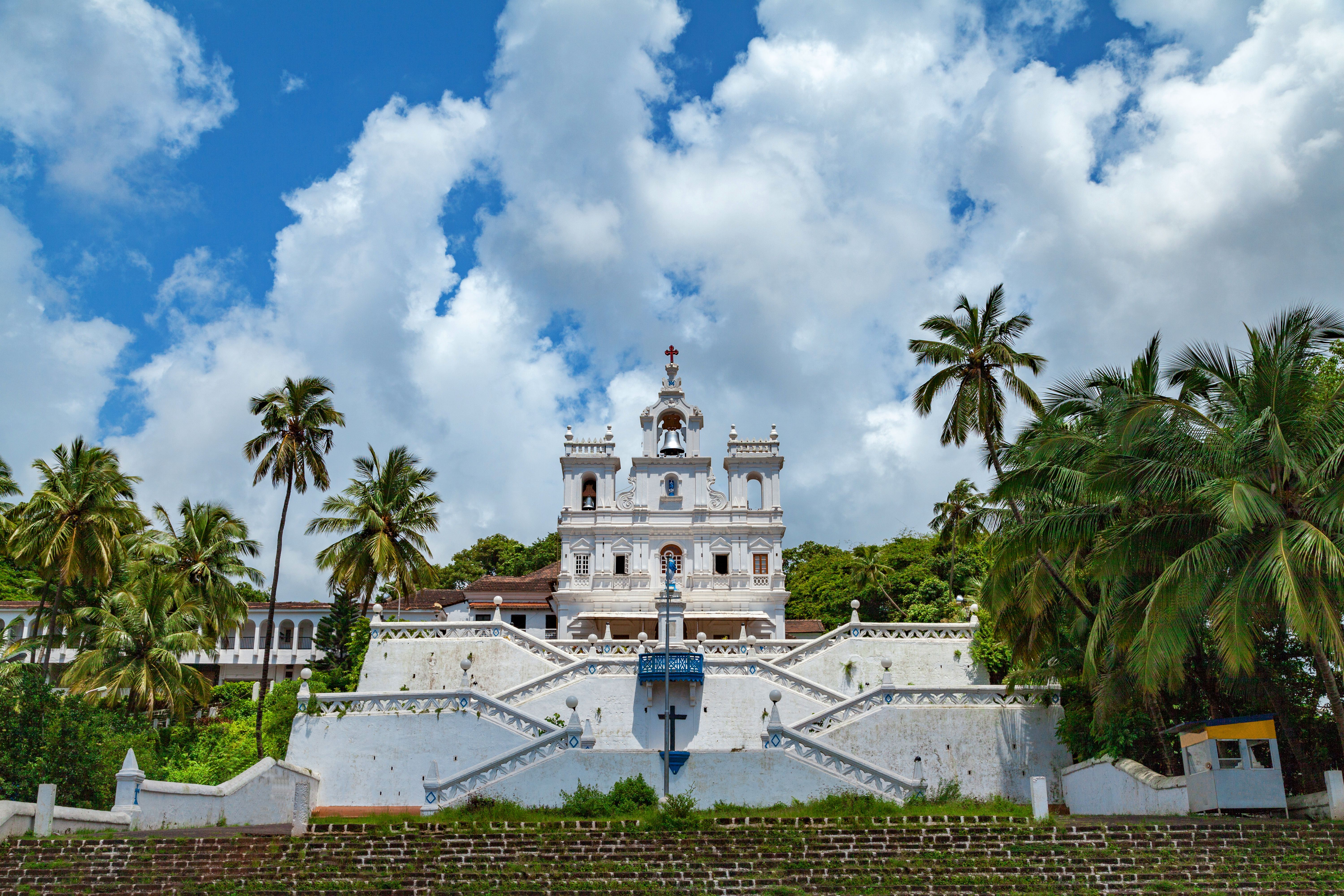
4. Immaculate Conception Church
The white church above Panaji, Goa’s capital, reached by a double zigzag staircase of 78 steps modeled on a shrine at Braga in Portugal.
- Hours - 9am to 12:30pm, then 3:30pm to 7:30pm.
- The bell - came from the ruined Augustinian church at Old Goa, and is the second largest in the state.
- The feast - December 8, with a fair and lights in the square below.
If churches are what brought you here, our guide to the most spiritual places in the world covers a few more.
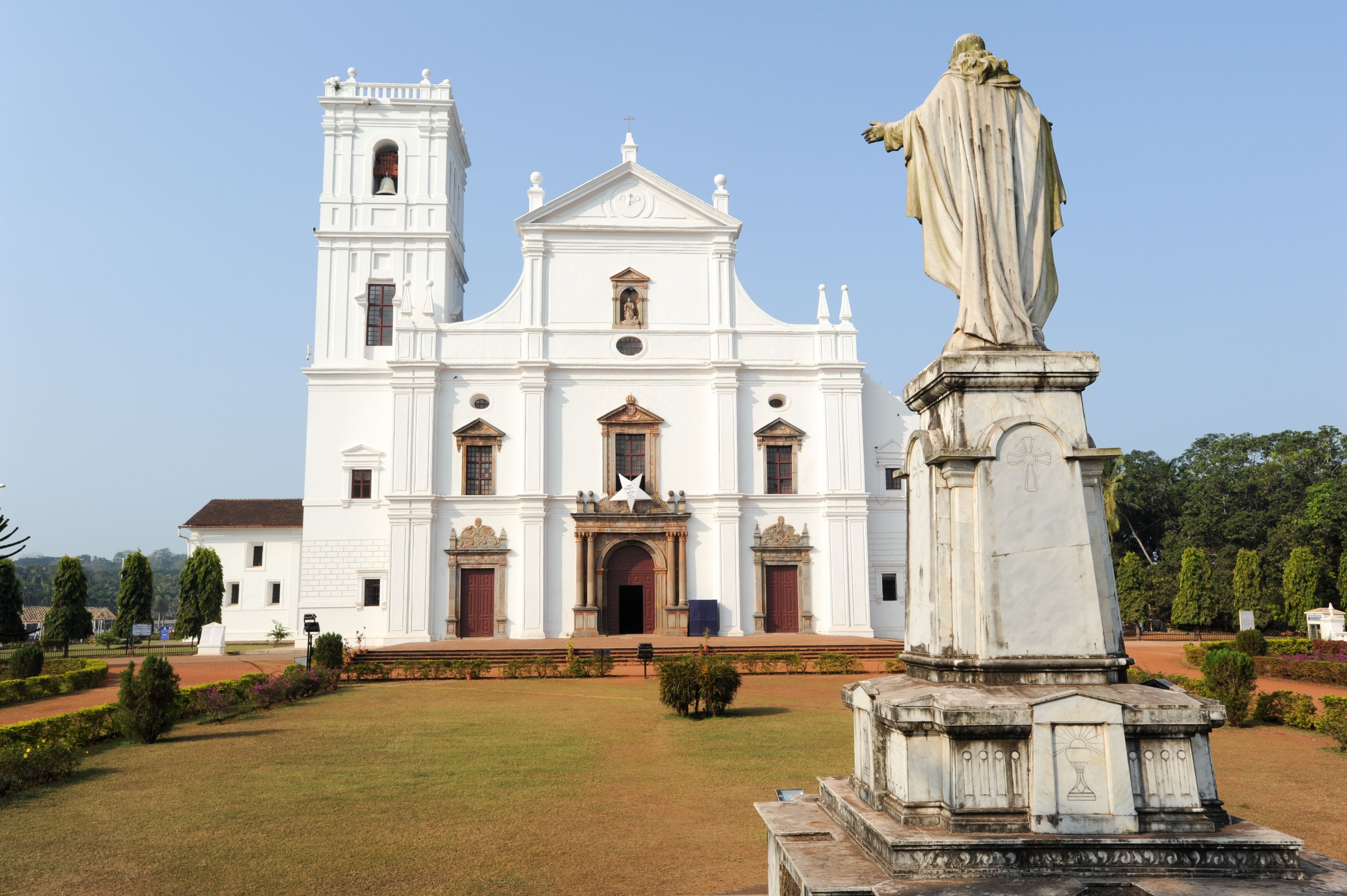
5. Se Cathedral
The largest church in Goa, and one Indian tourism authorities call the largest in Asia. Se means a bishop’s seat, and this was the seat of the archbishop of all Portuguese Asia. It is dedicated to Catherine of Alexandria, because Goa fell to the Portuguese on her feast day in 1510.
- Not Gothic - Renaissance, with a plain Tuscan exterior and Corinthian columns inside.
- The lopsided front - one of the two bell towers collapsed in the 1700s and was never rebuilt.
- The Golden Bell - the largest in Goa, named for its tone rather than for any gold in it.
- Hours - 7:30am to 6pm, with Sunday masses at 7:15, 10 and 4, though services come before sightseeing.
6. Cabo de Rama Fort
A clifftop fort in the far south, with the sea below it on three sides. Local tradition says Rama, the hero of the Hindu epic the Ramayana, sheltered here during his exile, and the fort is named after him. Nothing on the site has been dated anywhere near that far back.
- What is documented - a neighboring Hindu ruler handed it to the Portuguese in 1763 in return for protection against Hyder Ali, the ruler of Mysore, who was pushing down the coast.
- What the Portuguese built - thick stone walls, twenty-one cannon and a chapel, and the chapel, the Church of St Anthony, is still in use and the best-kept part of the site.
- It was a prison - until the 1950s.
- Entry - free, though you sign in at the gate, and last entry is 5:30pm.
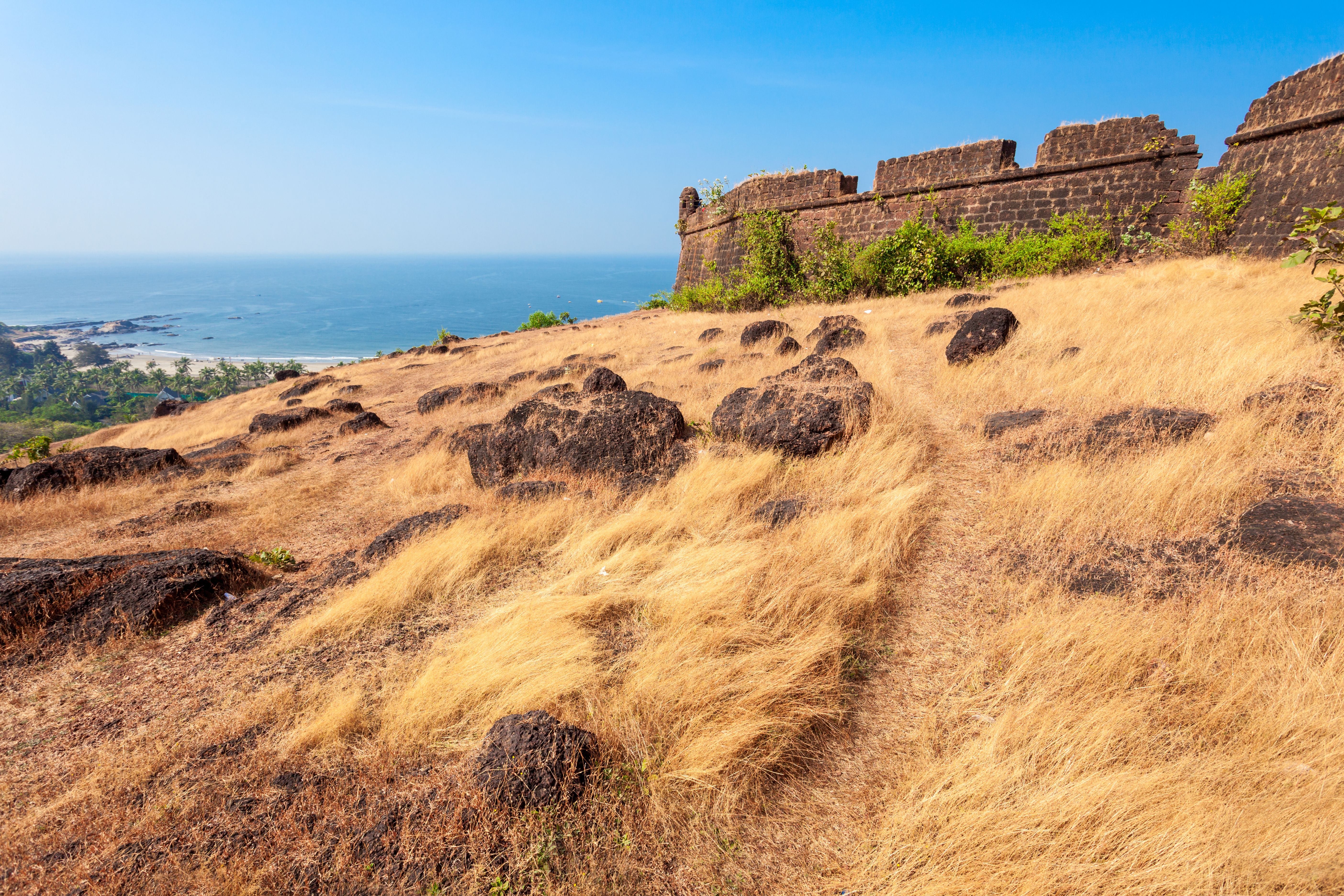
7. Chapora Fort
A hilltop ruin above the Chapora river. It has been busy with visitors ever since Dil Chahta Hai, a 2001 Bollywood film that a generation of Indian travelers grew up on, was filmed at the top.
- Older than the Portuguese - built by the Bijapur sultans, who ruled this coast before them, and whose town of Shahapura gave it its name.
- Rebuilt, then abandoned - the Portuguese added bastions and an escape tunnel down to the shore, then left in the 1890s once the frontier moved north.
- The climb - about 150 steps with no road to the top, and the gate shuts at 5:30pm.
- Watch your footing - restoration work has left loose stone on the ramparts.
8. Mollem National Park & Bhagwan Mahavir Wildlife Sanctuary
Two adjoining protected areas rather than one, and together the largest block of protected forest in Goa. The sanctuary covers 133 square kilometers and the national park 107. Dudhsagar sits inside them.
- Entry - ₹20, with the gates open 8am to 5:30pm.
- Guides - optional for most of the park, but compulsory for Dudhsagar.
- Without one - the Nature Interpretation Centre at Mollem, the Tambdi Surla temple and Devil’s Canyon are all reachable on your own.
9. Harvalem Waterfalls
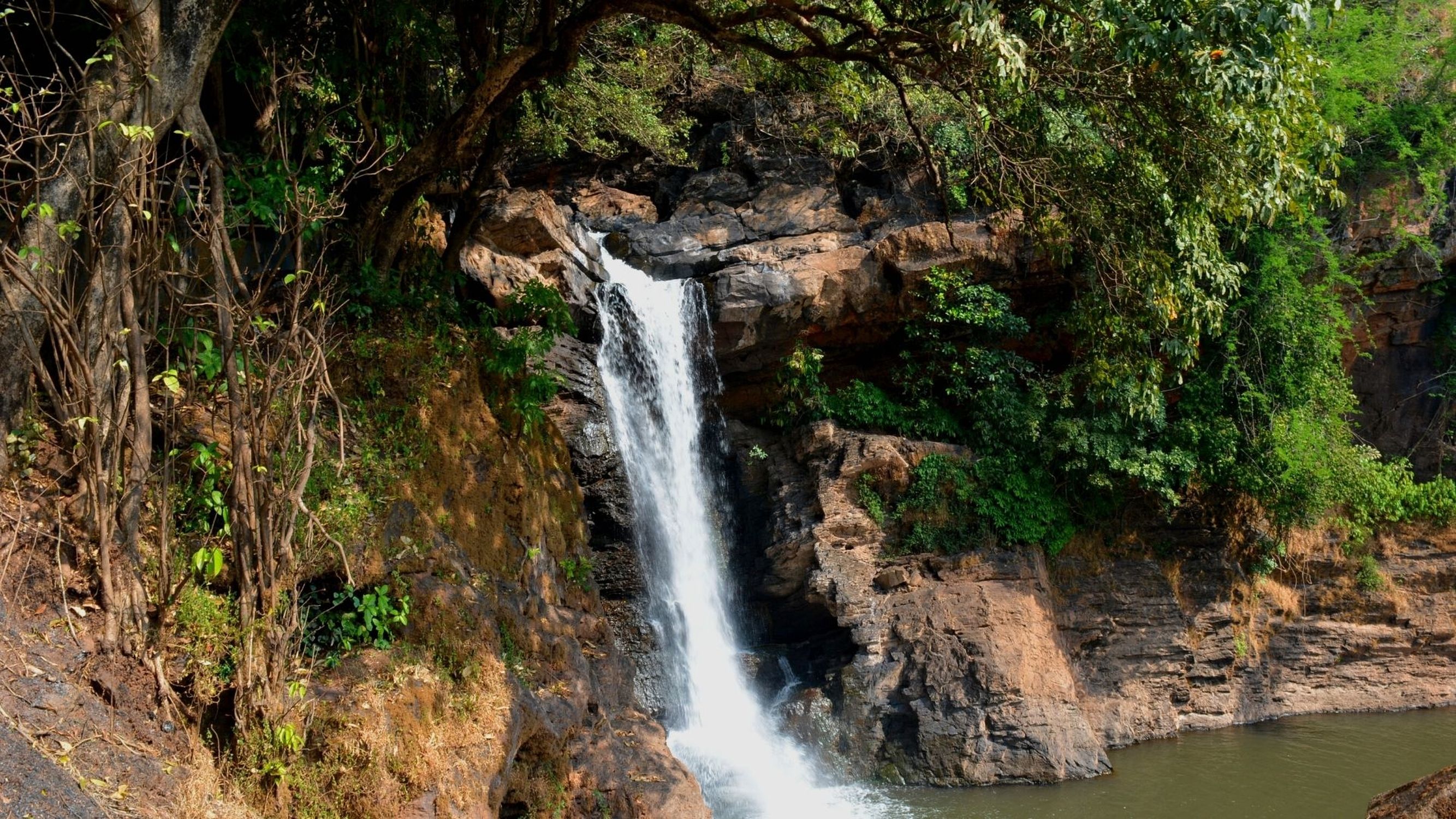
A short drop into a bowl of rock in north Goa, near the town of Sanquelim. It is also written Arvalem, and there are sixth-century caves cut into the rock beside it, along with a temple.
- When - a few weeks after the rains stop, while there is still water coming over and the tracks have dried out.
- Don’t swim - Goa recorded 71 drownings in the first half of 2026, most of them in rivers and inland water rather than in the sea.
10. Church of St. Francis of Assisi
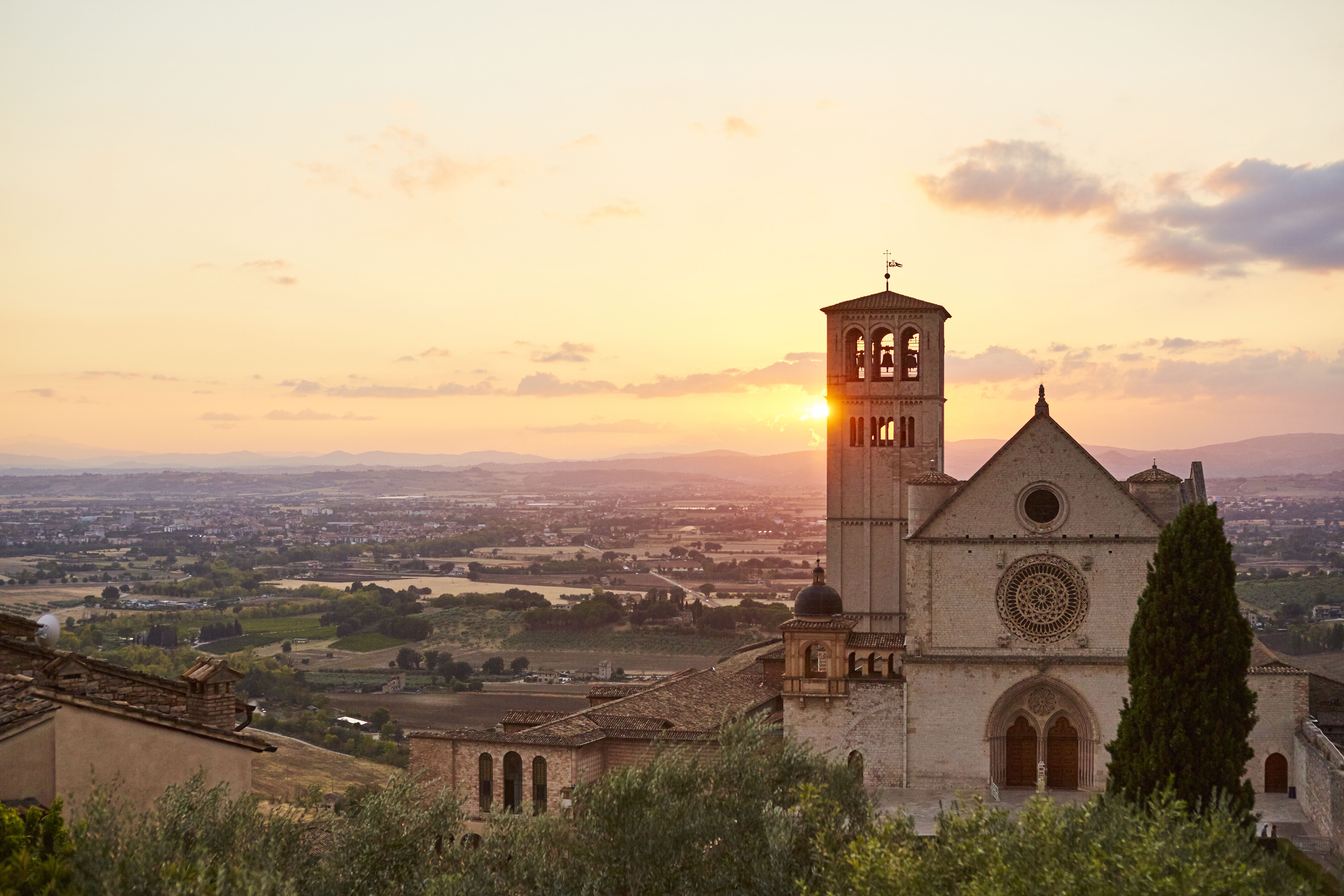
No services are held here. The building is a protected monument rather than a parish church, it stands beside the Se Cathedral in Old Goa under the same UNESCO listing, and the convent next door holds the Archaeological Museum, with Portuguese-era portraits and sculpture.
- Hours - 7:30am to 6:30pm.
- The museum next door - ₹10, and it closes on Fridays.
11. Candolim Beach
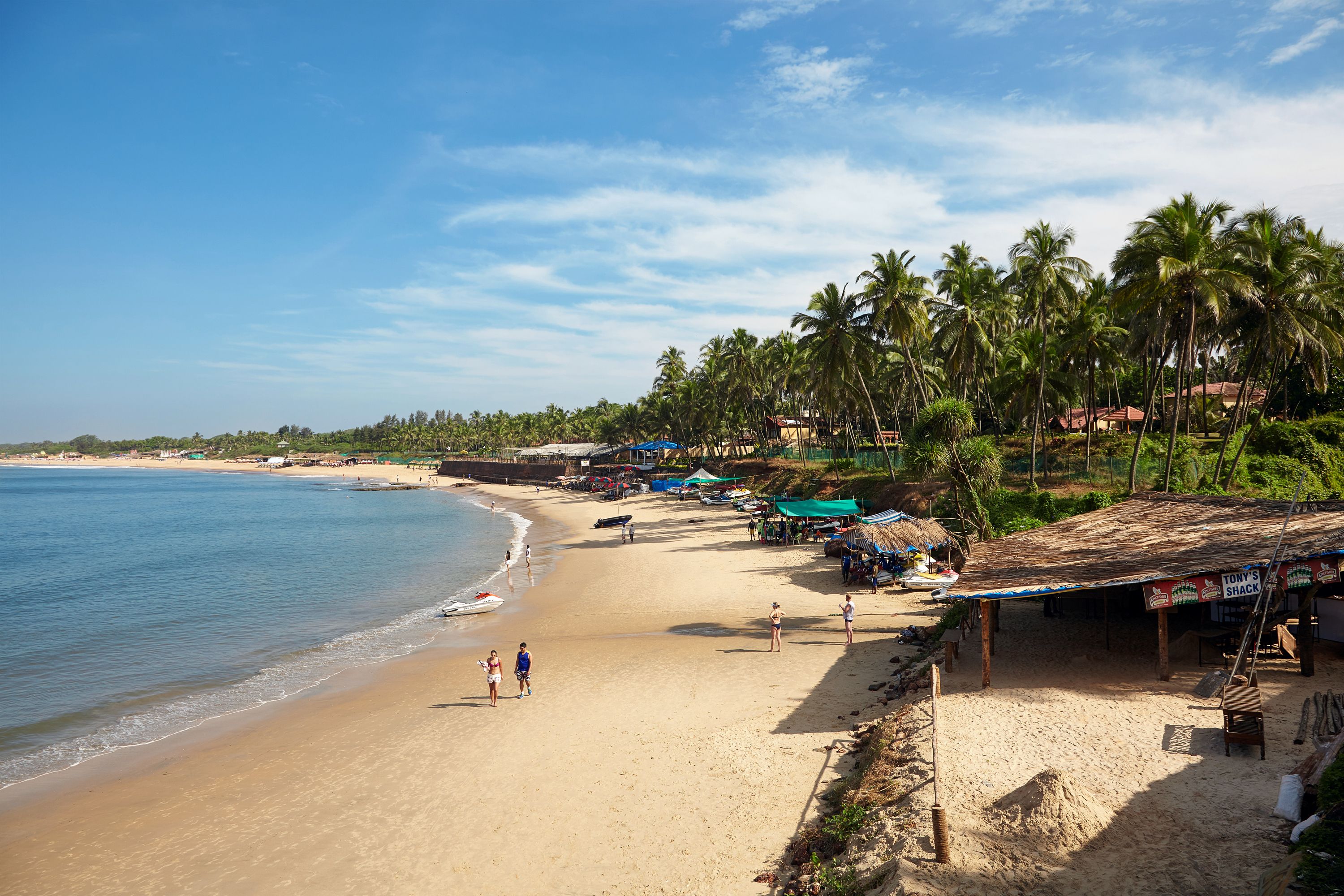
The quieter half of the long beach that runs down from Calangute, the busiest beach in the state, to the Aguada headland. Shacks, sunbeds and water sports line it through the season.
- Season - none of that is there in the monsoon, because shacks are licensed from September to the end of May and have to come down by June 10.
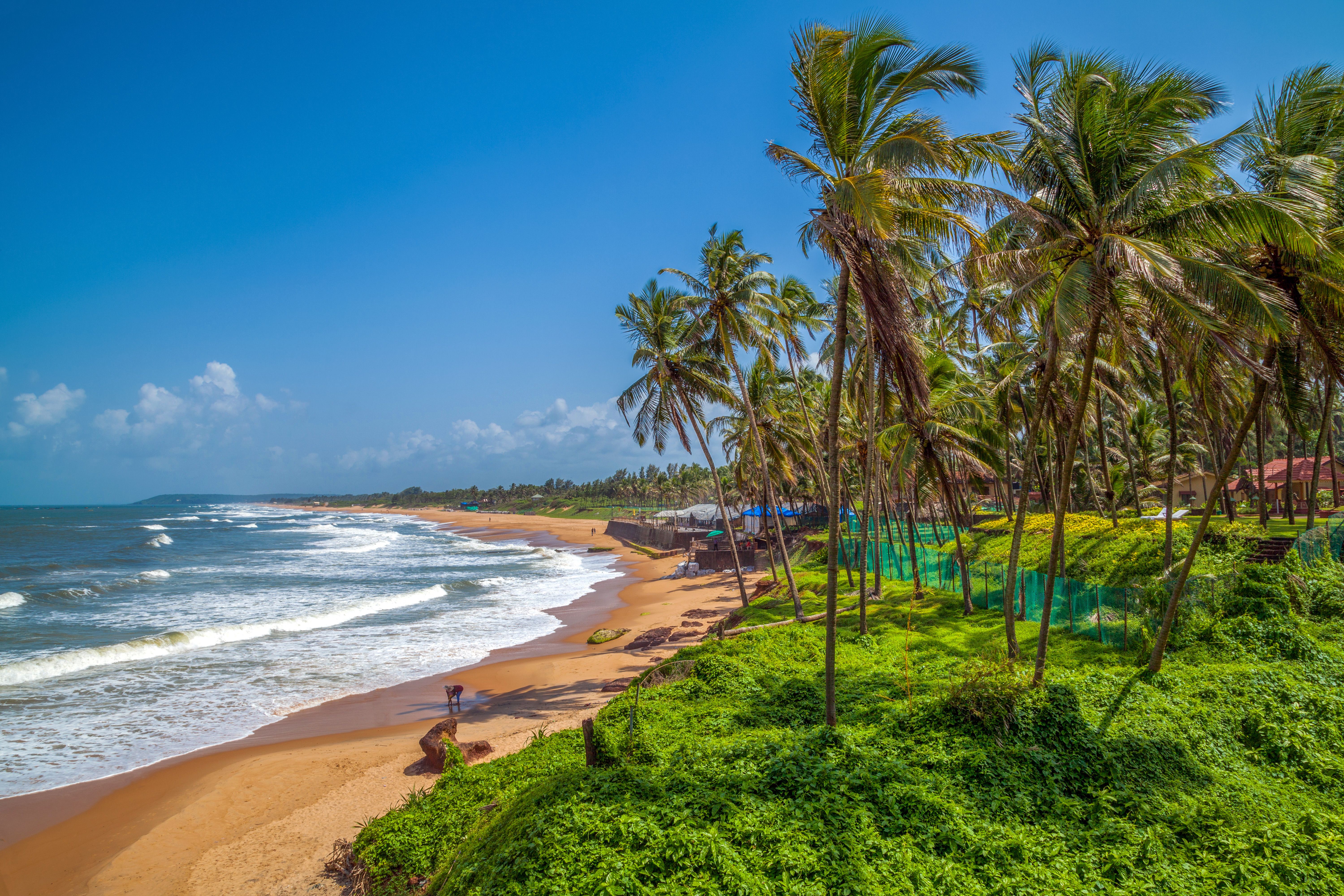
12. Sinquerim Beach
The last beach before Aguada Fort, and the fort is the view from it. Less crowded than the beaches further north.
- Water sports - parasailing and jet-skiing run here in season, and the state ports authority stops them entirely in the monsoon.
- Prices - agree one before you get in the water.
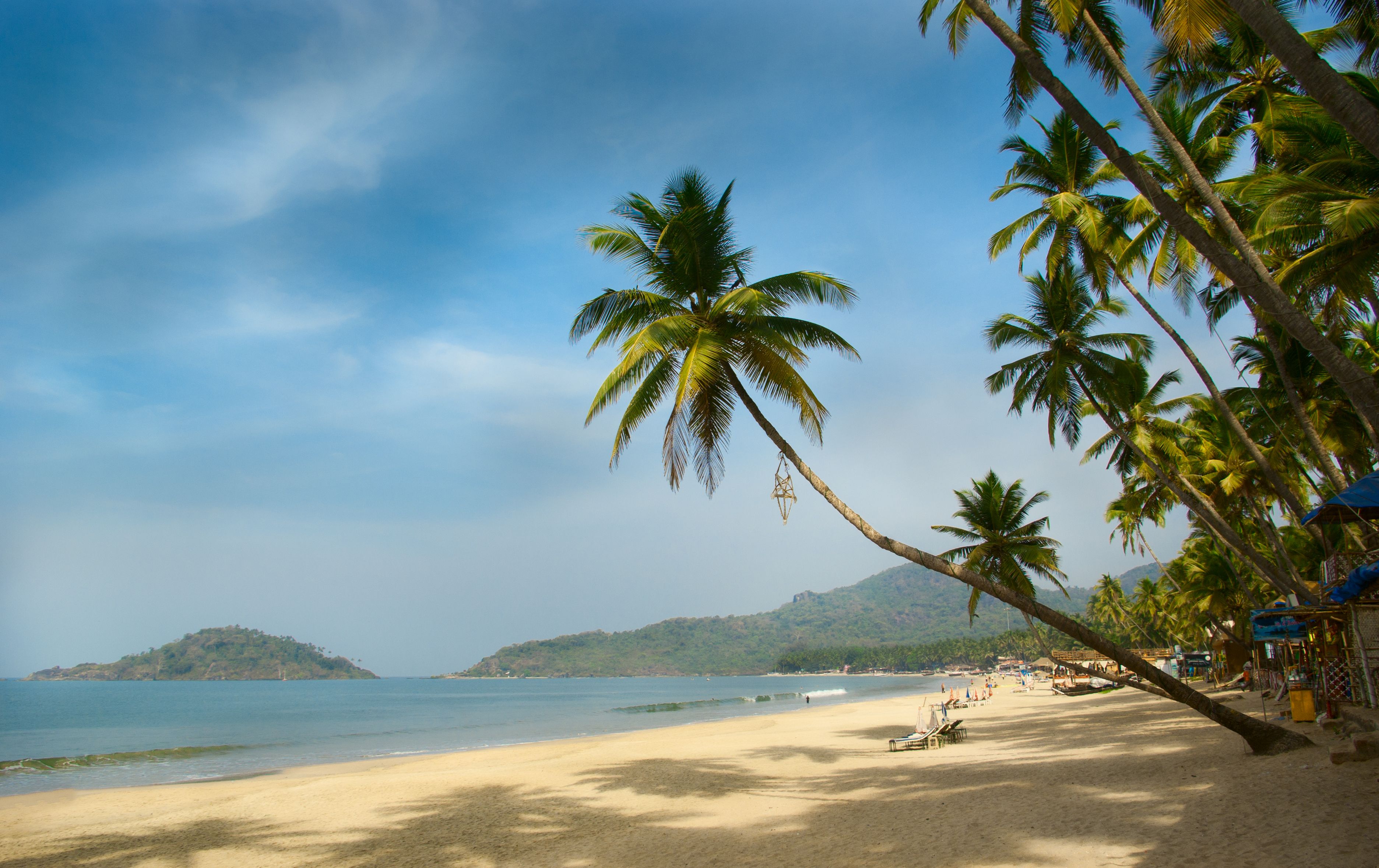
13. Palolem Beach
A crescent of about a kilometer in South Goa, closed at each end by a headland and backed by palm huts.
- Swimming - calmer water than most of the north coast, which makes it one of the better beaches for it.
- The huts - seasonal, going up in October and coming down in May.
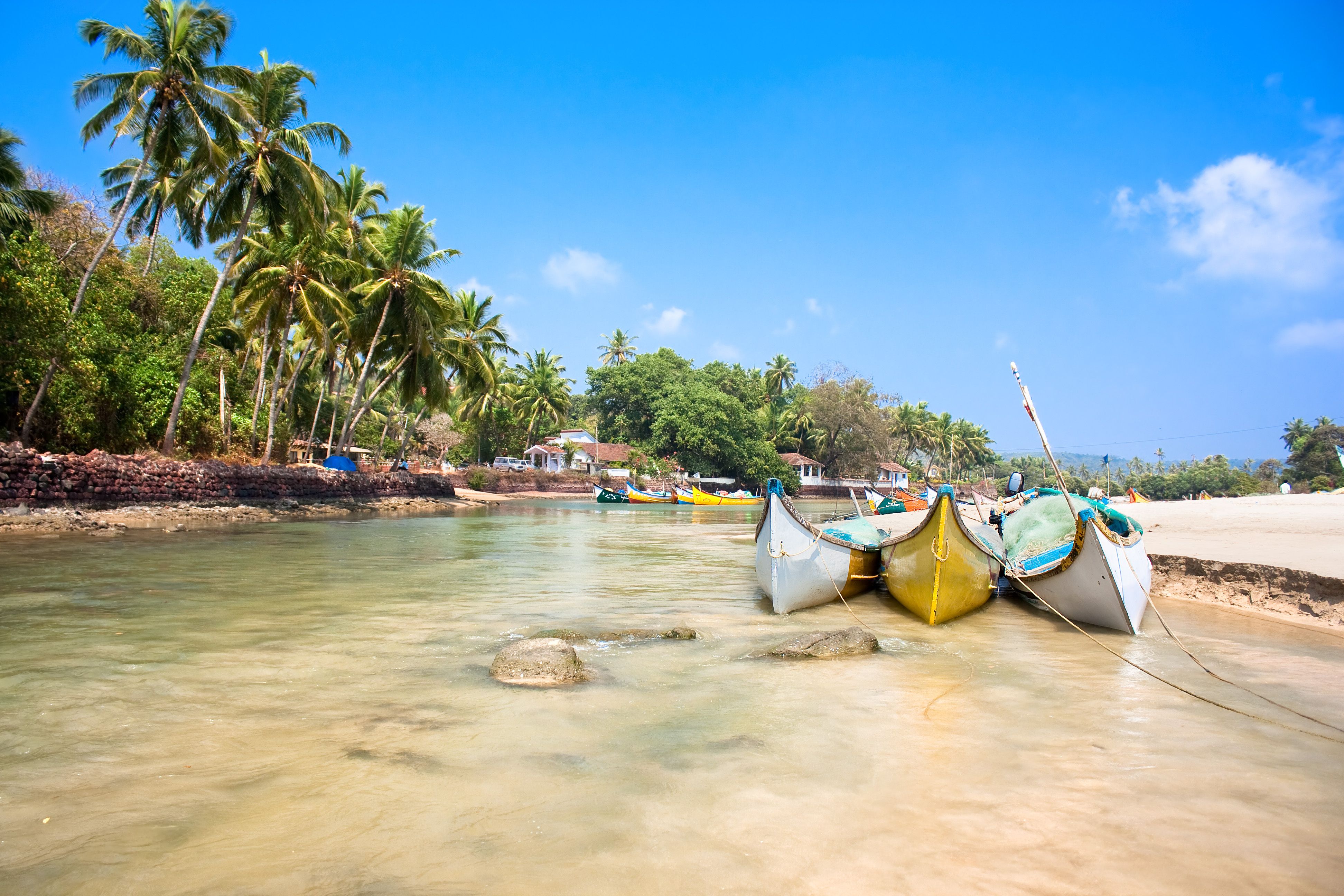
14. Baga Beach
The loudest stretch of the north coast, with clubs and bars set back behind the sand.
- Music stops at 10pm - amplified music outdoors is illegal across Goa between 10pm and 6am, so what still runs late runs indoors.
- Fines - from ₹20,000, with only fifteen days a year exempt.
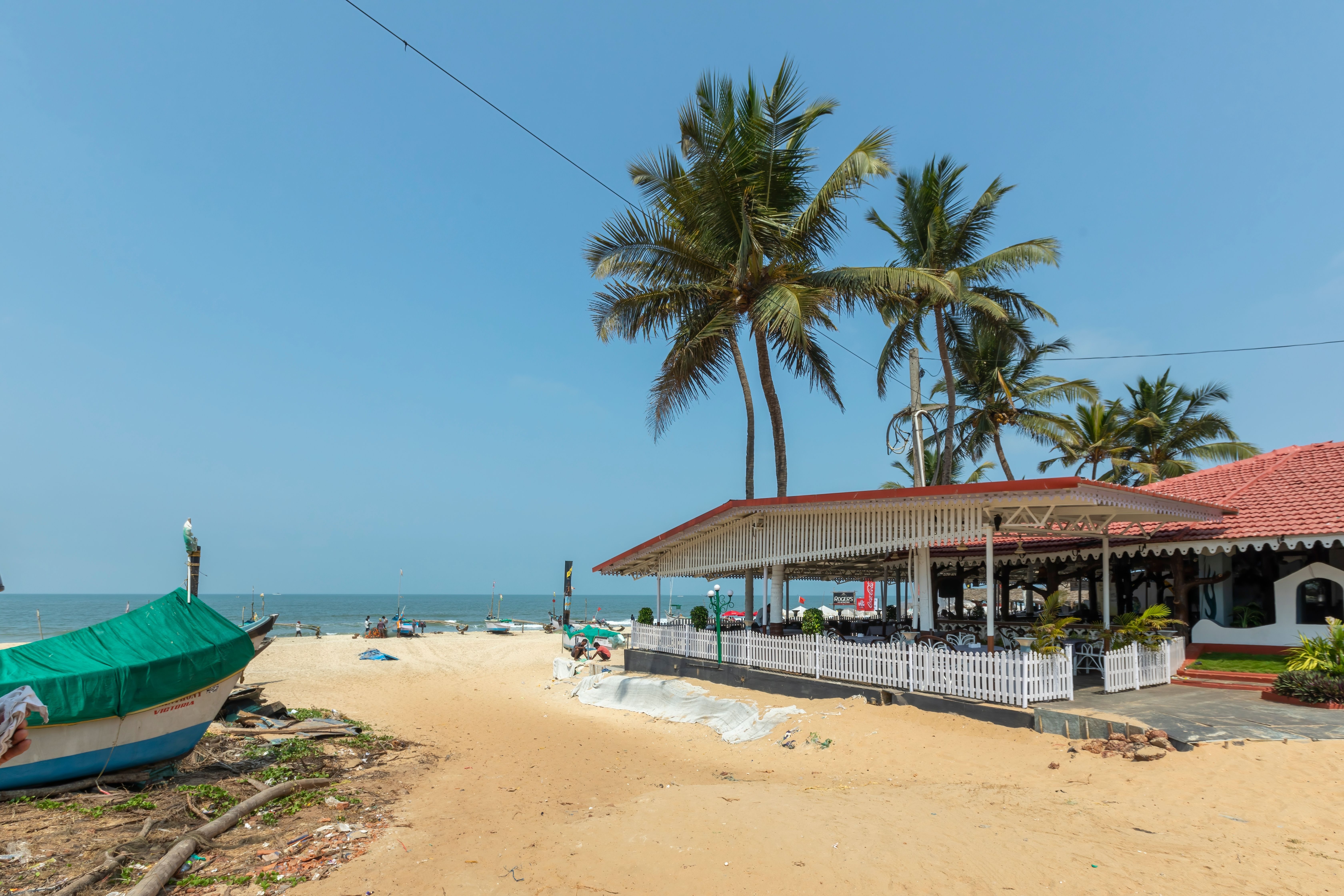
15. Benaulim Beach
Just south of Colva, the main resort beach in South Goa, and still a working fishing beach, with boats pulled up on the sand in the morning.
- Why come - it is the quietest of the big South Goa beaches, and the easiest of them for a seafood lunch without a crowd.
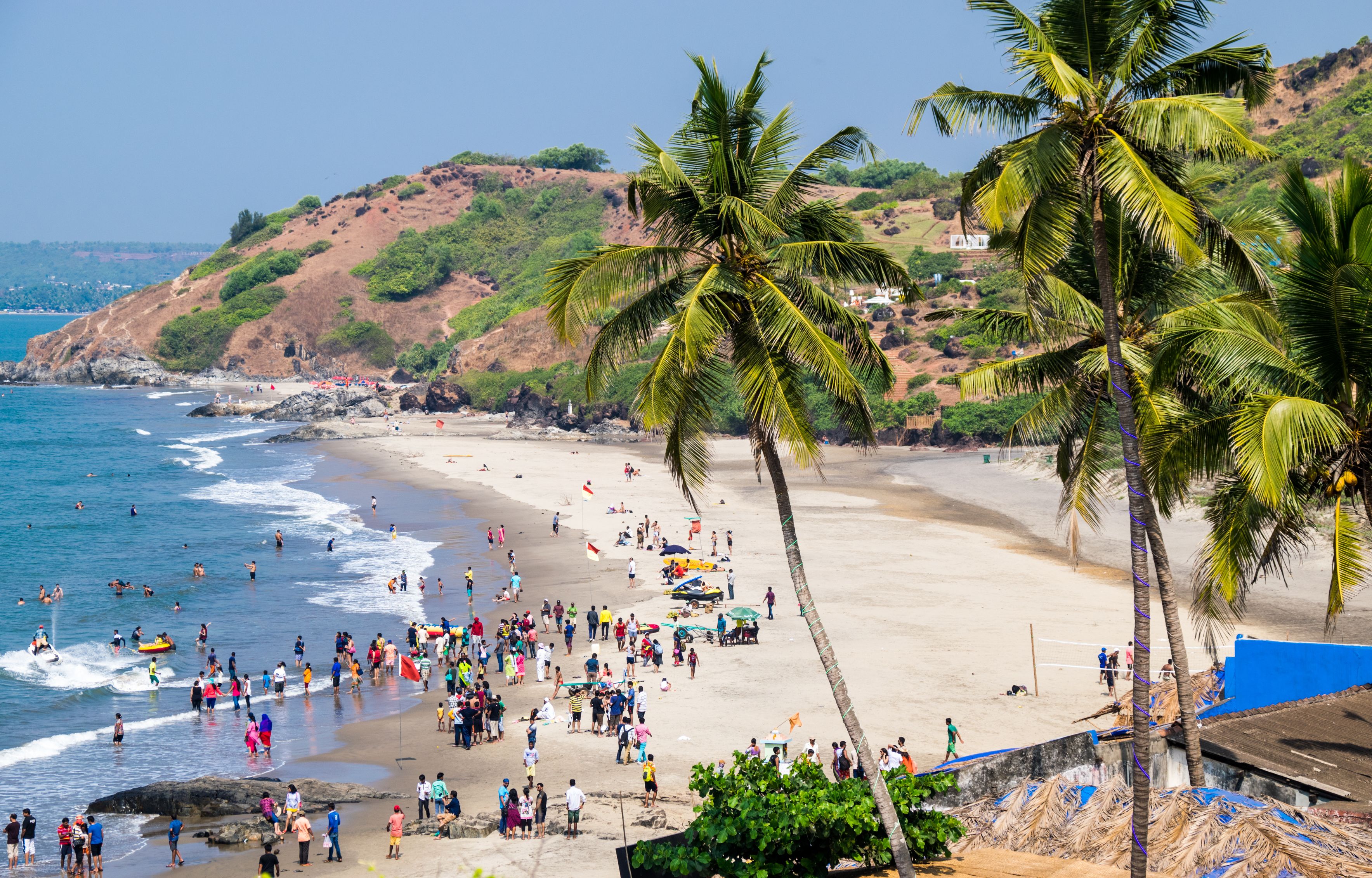
16. Vagator Beach
Split by a headland into Big Vagator and Little Vagator, which is also called Ozran, with red cliffs above both.
- The walk - Chapora Fort sits on the ridge at the northern end, and getting up to it is what most people come here to do.
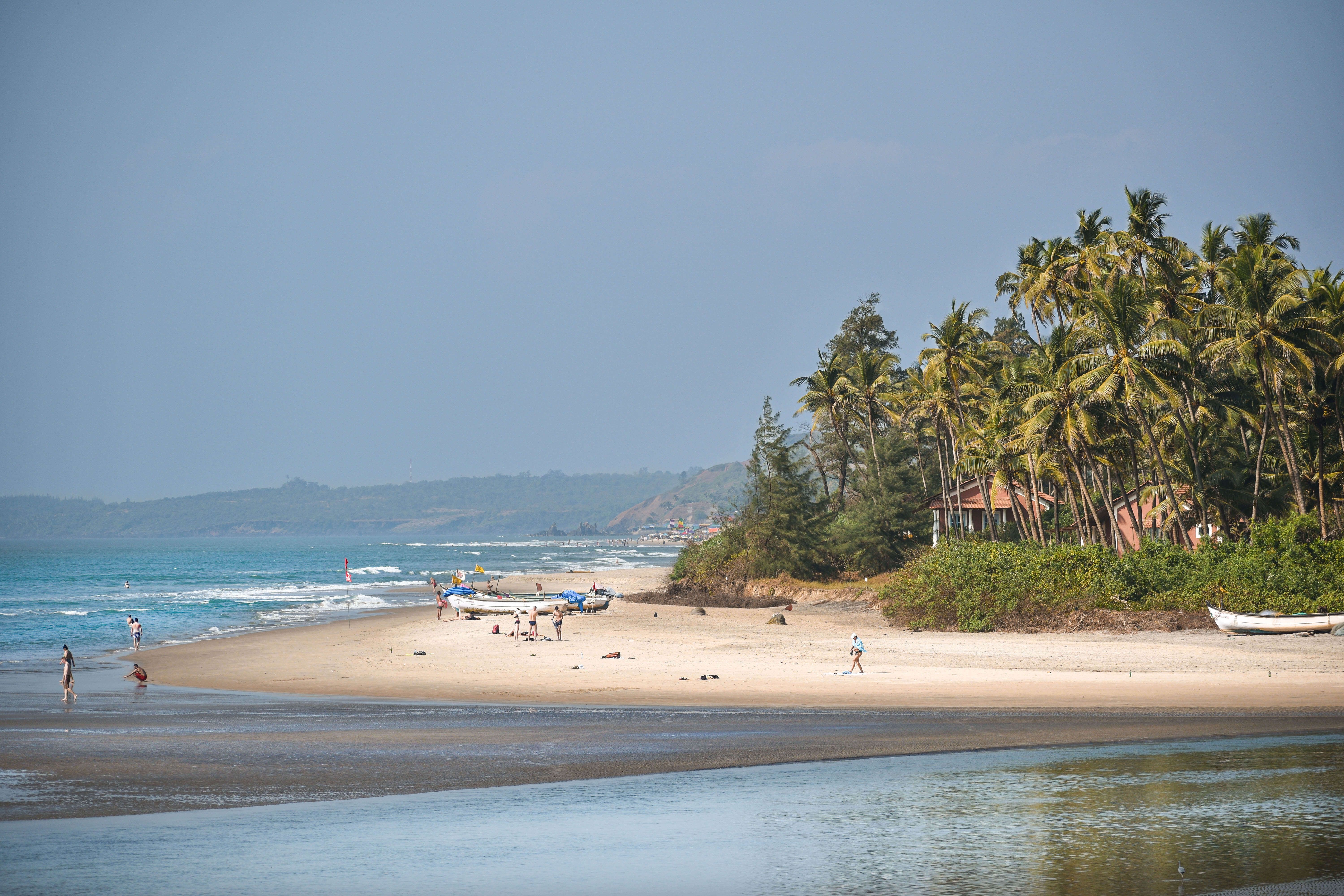
17. Morjim Beach
One of four beaches in Goa where Olive Ridley turtles come ashore to lay their eggs. The Forest Department fences off the nesting stretch each season.
- Season - recent years have started in the second half of January and run into March.
- If you’re there then - keep off the marked nests, use no flash, and leave the sand dark at night, because lights send the hatchlings the wrong way.
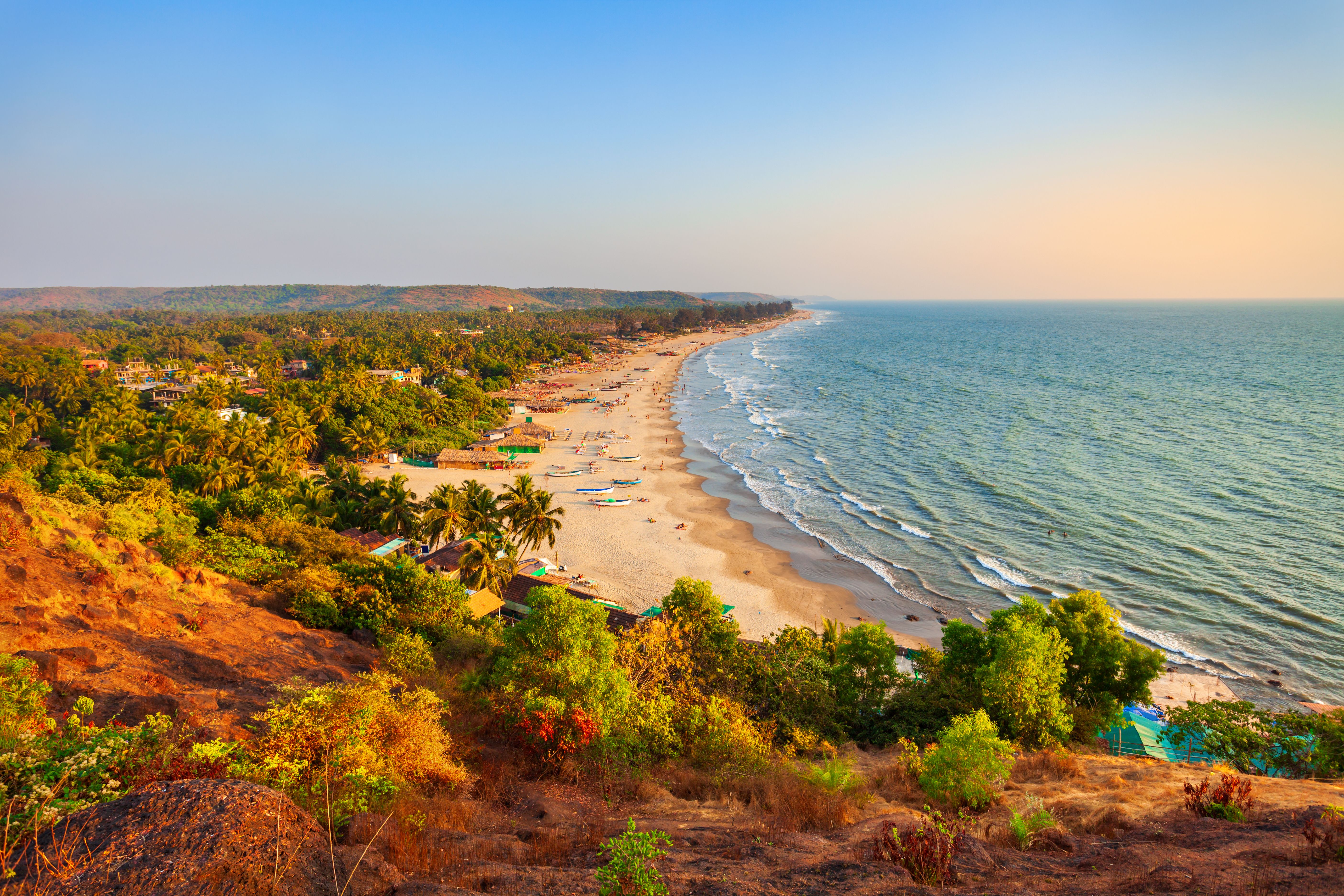
18. Arambol Beach
Draws people who stay for months rather than days, with live music most evenings in season.
- The lake - a footpath over the rocks at the north end reaches a freshwater lake behind the beach, about fifteen minutes from the sand.
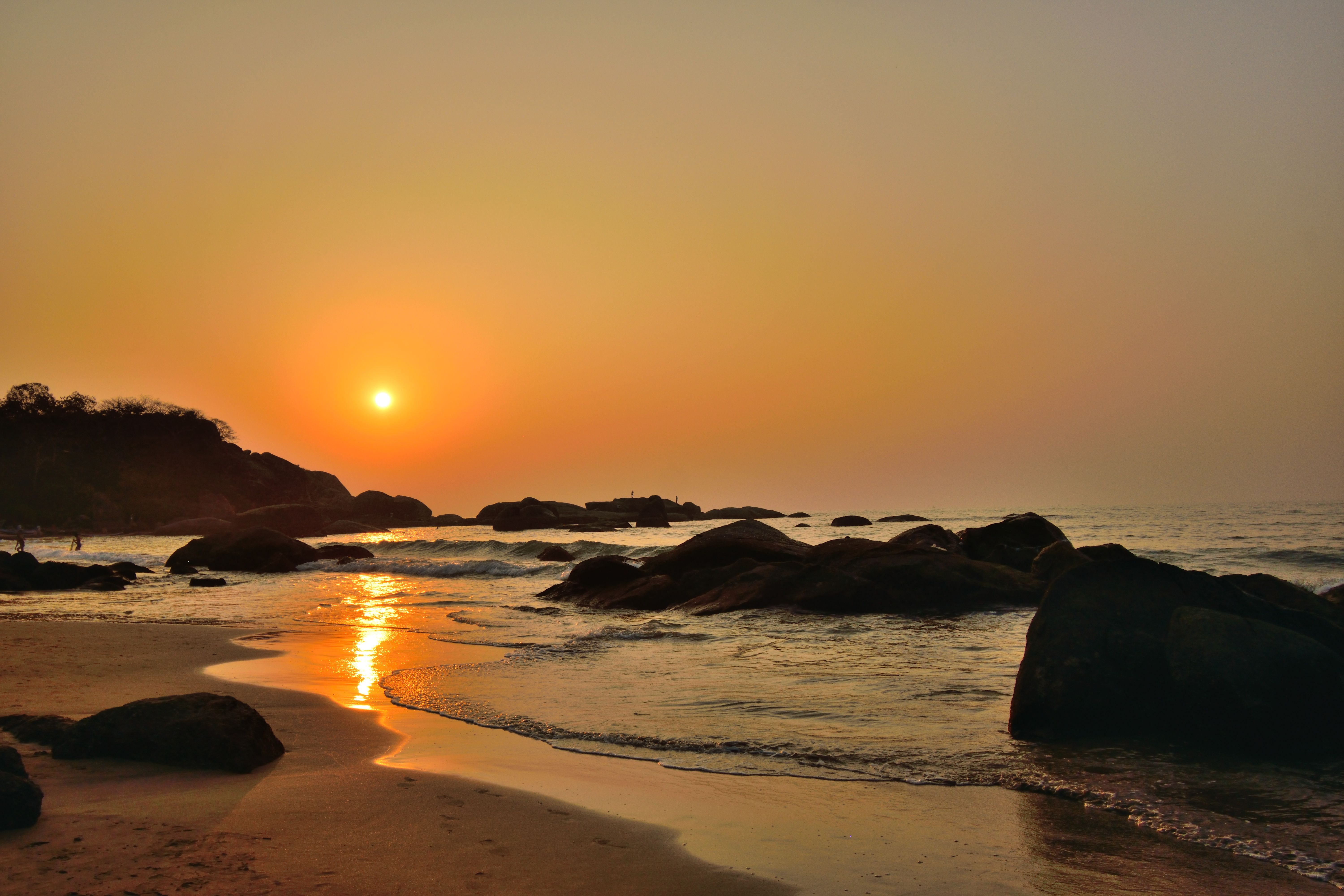
19. Agonda Beach
A long, quiet beach in South Goa with almost nothing built behind it, and another of the four protected turtle nesting beaches.
- Why come - calm water and small crowds make it the South Goa beach people come back to.
If you’re traveling by yourself, our tips for a first solo trip cover the practical side.

20. Calangute Beach
The busiest beach in Goa, and has been since the 1960s, which is where the “Queen of Beaches” name comes from.
- It also has the most rescues - lifeguards pulled 103 people out of the water here in 2025, more than at any other beach in the state.
- Swim between the red and yellow flags - they mark the patrolled zone, and lifeguards are on duty from 7:30am to 7pm.
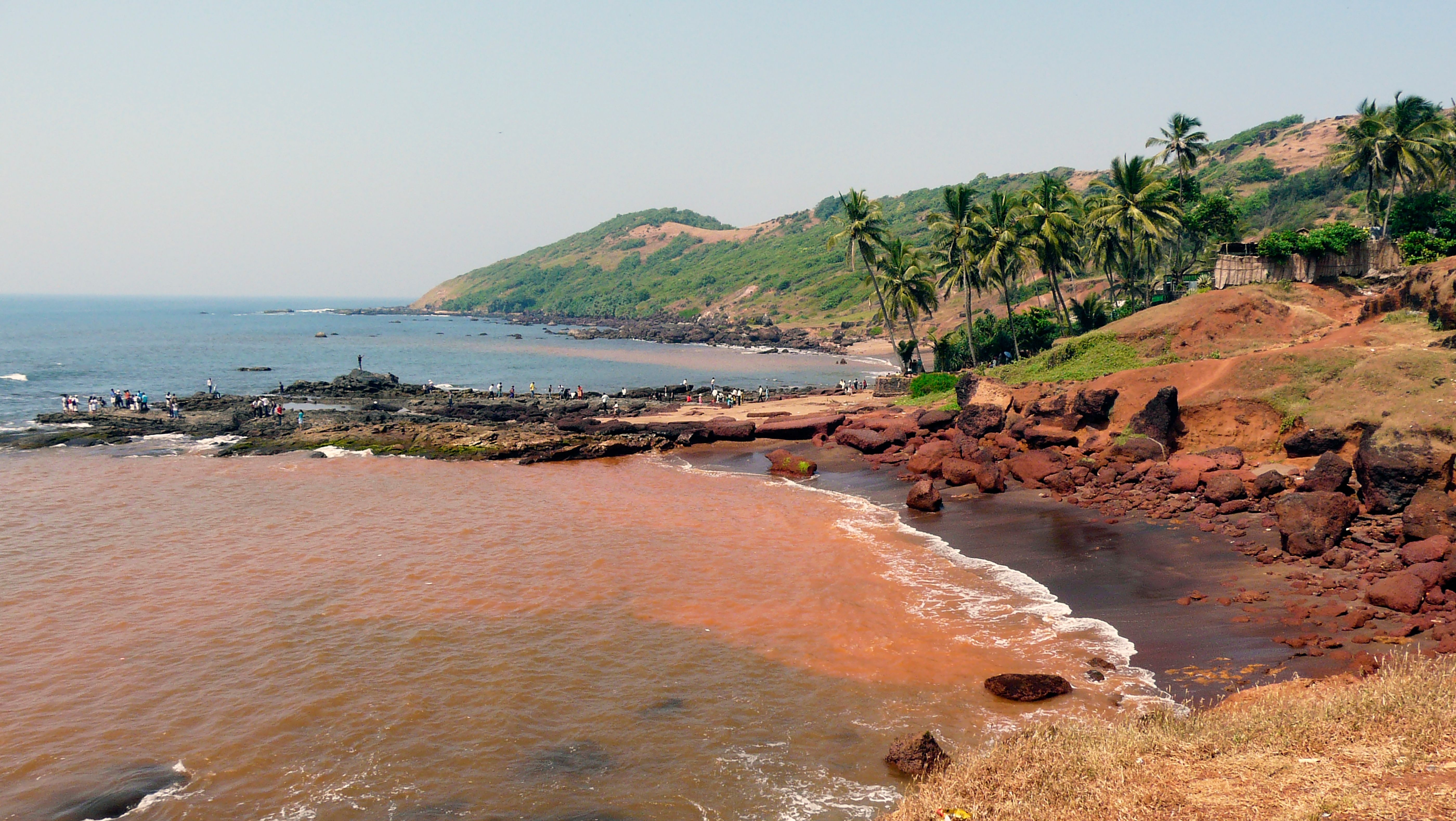
21. Anjuna Beach
Rocky rather than sandy, with cafes along the cliff above it.
- The flea market - every Wednesday from October to April, and it has run since the 1970s.
Planning Your Trip
Come between October and May. If you can pick your month inside that, come between November and February, when it is dry and around 26°C. Christmas and New Year are the busiest and priciest weeks of the year, so book early if that is when you are going.
We watch fares and tell you when they drop, so you don’t have to check every week. See the current price of flights to Goa.
Published: October 25, 2023
Updated: September 14, 2026